Consider creating a hydration journal where you record daily intake visual tracking markers and your bodys response. Some smartphone apps allow you to input manual data alongside automatic tracking creating a comprehensive picture of your hydration journey. Pay attention to how your body feels at different hydration levels noting improvements in energy mental clarity and physical performance as you become more consistent. While a cup of coffee isn’t the best hydration choice (again, water for the win!), it doesn’t necessarily have to detract from your daily hydration goals. “What comes as a surprise to many is that coffee and caffeinated tea in moderation also count toward your fluid needs,” Jones says.
Hydrating for Health
Sports drinks aren’t harmful, though they can contain quite a bit of sugar, Jones notes. But most of us don’t need to be drinking them after every workout. A better option, she says, is to focus on eating whole foods that contain electrolytes all the time.
Reduce your alcohol intake
When you don’t drink enough glasses of water, it becomes concentrated, which can cause an imbalance of vital minerals (electrolytes). These minerals, like potassium and sodium, are key to the proper functioning of your heart. Plus, drinking water before bed can keep you from waking up with a dry mouth and bad breath (19, 20). Moreover, sometimes your body may mistake feelings of thirst for hunger. Drinking a glass of water before eating can help you discern whether you are feeling true hunger (12). For example, try setting a reminder to take a few sips of water every 30 minutes, or set a reminder to finish drinking your current glass of water and refill it every hour.
It Promotes Healthy Skin
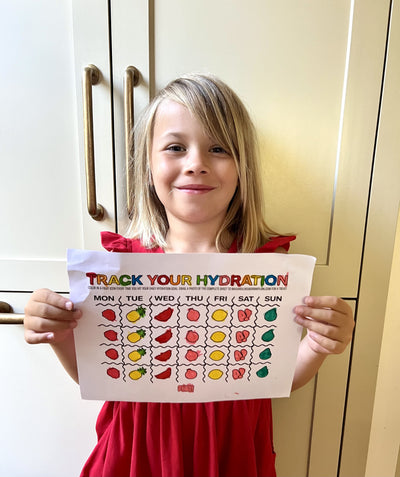
These recommendations include all fluids consumed from beverages and food. For reference, roughly 20% of our daily water intake comes from foods—like fruits and vegetables, which are naturally rich in water. Because it’s hard to know exactly how much water you’re getting through food, a quick benchmark is to aim for 8–10 glasses of water a day. Inadequate fluid consumption is touted as a common culprit in constipation and increasing fluid intake is a frequently recommended treatment. However, the evidence suggests that increasing fluids is only of usefulness in individuals in a hypohydrated state and is of little utility in properly hydrated people. In young children with chronic constipation, increasing daily water intake by 50% did not affect constipation scores.
Hydration Calculator: How Much Water Do You Need to Drink in a Day?
When you’re physically active, your body loses water through sweat, which can lead to dehydration if not replenished. Even mild dehydration can impair physical performance, causing fatigue, reduced endurance and difficulty regulating body temperature. Staying adequately hydrated ensures your muscles function optimally, allowing you to perform at your best. Track your daily hydration with personalized goals, smart tracking, and helpful insights to maintain optimal health. Sufficient water intake supports your body’s natural detoxification systems, which remove waste and harmful substances through urination, breathing, perspiration, and bowel movements. Hydrating with plenty of water supports your own powerful, built-in detox processes and can help enhance your overall health.
Progress Analytics
If you purchase through our links, the USA Today Network may earn a commission. Prices were accurate at the time of publication but may change. Choose where we’ll send you resources to support your health and financial well-being. Select the option(s) below that best describes you to get communication that matches your interests. Kidney stones are clumps of mineral crystals that form in the urinary tract. If you’ve ever experienced one, you know how painful they can be.
???? Health Conditions
- “However, many things can impact fluid needs,” said Stephani Johnson, D.C.N., R.D.N., an adjunct professor in the Department of Clinical and Preventive Nutrition Sciences at Rutgers University.
- If the kidneys economize on water, this results in producing a more concentrated urine which comes at a greater cost in energy and more wear on their tissues.
- Validating your hydration progress requires a systematic approach to understanding how your body responds to different interventions.
- You should always seek the advice of your physician or other qualified health provider with any questions you may have regarding a medical condition or your specific situation.
- In fact, according to the Royal National Lifeboat Institution (an organization that promotes water safety), 89% of adults in the UK don’t drink the recommended eight glasses of water a day.
- Every day you lose water through your breath, perspiration, urine and bowel movements.
The general recommendations for water intake are a good starting point, but your individual needs can vary based on other factors, such as age and activity level. Here are some of the factors that influence how much water you need. This is a simple guideline that’s easy to remember and usually easy to achieve. If you weigh 150 pounds, aim to drink 75 ounces of water each day. This is the only rule of thumb that accounts for different body sizes but it doesn’t account for thirst, climate, activity level or other factors. An “adequate intake” of water for adult men and women does exist, but it can vary from person unimeal app to person.
Is water the only option for staying hydrated?
Fill up your cup as soon as you get to work, and at the top of every hour, simply drink the remaining water and refill. If you dislike the flavor of water, or just need https://www.mayoclinic.org/healthy-lifestyle/fitness/in-depth/fitness-training/art-20044792 a bit of flavor to help you drink more, you have many choices. However, if you have concerns about the quality or safety of your tap water, consider purchasing a water filter. You can also set reminders to drink more water using an app or the alarm on your smartphone or smartwatch. It can also help to record your progress, which can keep you motivated to achieve your goal — and make it a habit. Our online calculators, converters, randomizers, and content are provided “as is”, free of charge, and without any warranty or guarantee.
Nutrition
Not only do these drinks contain tons of sugar, but they also often have higher caffeine levels than a typical serving of coffee or tea. On a really hot day, very high levels of caffeine can put extra strain on your heart—which is already working overtime to keep your core temperature down. Take a drink every 30–60 minutes, as well as before every meal or snack, Berkow says. “Water needs increase with age because our thirst mechanism—the trigger in our brain that tells us we’re thirsty and leads us to drink—decreases as we get older,” Berkow notes. “But if you exercise more and sweat more, you need more water than that,” Berkow says. While it’s fine to enjoy both in moderation, you shouldn’t count either drink toward your daily fluid quota, say Dr. Sharp and Macpherson.
How Much Water Do You Need to Stay Hydrated?
Sometimes, drinking more water can stop head pain from starting in the first place. Creating a structured plan to stay hydrated can be incredibly helpful if you’re constantly on the move. The calculator provides insights that allow you to spread your water intake throughout the day rather than drinking too much at once. If you spend time in hot climates or engage in vigorous activities, understanding fluid loss becomes vital. With the calculator, you can account for sweat losses and adjust your water intake accordingly to maintain optimal hydration levels. However, excessive intake of caffeine can lead to increased urination and fluid loss.
But if you’ve been sweating outside for a couple hours or just finished a particularly tough workout, sports drinks with electrolytes can be another good option. Water is always number one (more on this below), but you don’t need to exclusively sip plain H2O all day if you’re craving a little more variety. “Sparkling mineral water and naturally flavored seltzers also contribute to your fluid intake,” Jones says. Same goes for beverages like milk, nondairy milk alternatives, and even juice in moderate amounts, she adds. Many of us open our eyes and immediately think about that morning cup of coffee.